Fr. Jackson's Commentary & Notes
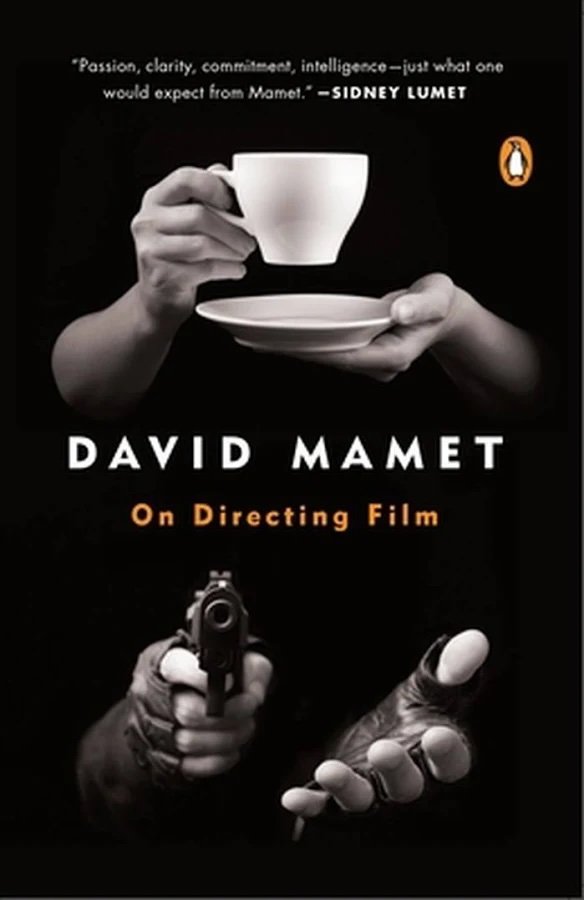
Reading David Mamet’s On Directing Film feels like a cold splash of water to the face for anyone who loves visual storytelling. In a world where modern media often leans into flashy, ultra-polished, or overly complicated cinematography, Mamet’s approach is a brutal but refreshing masterclass in simplicity.
Here is a short personal reflection on what makes his philosophy so striking.
The Art of the Uninflected Shot
Mamet’s core argument completely upends how many people think about directing. He insists that a director should never try to make a shot "beautiful," "emotional," or "meaningful" on its own. Instead, he advocates for the uninflected shot—a plain, simple image of an object or an action that carries no emotional weight by itself.
This is incredibly freeing but also highly challenging. It means the director's true job isn't to show off on set with sweeping camera movements; it is to treat film like a language. Just as individual letters don't mean much until you arrange them into words, Mamet argues that individual shots only matter when they are juxtaposed against each other in the editing room to tell a story. It reminds us that great storytelling is about the collective rhythm of the pieces, not the vanity of a single moment.
Cutting Out the Fluff
There is a wonderful, zero-nonsense attitude to his teaching methodology. He frequently reminds filmmakers to constantly ask: "What does the hero want?" and "What happens if they don't get it?"
If a camera angle, a line of dialogue, or a character's movement doesn't actively push the protagonist closer to or further from that goal, Mamet’s advice is simple: cut it. This ruthless commitment to clarity is a massive lesson in creative discipline. It forces you to stop hiding behind aesthetic tricks and focus entirely on the spine of the narrative.
Final Takeaway: Trusting the Audience
Ultimately, On Directing Film is a lesson in humility for the creator and respect for the audience. By keeping the shots simple and letting the editing build the tension, Mamet challenges directors to stop over-explaining. He trusts that the audience is smart enough to connect the dots themselves. It’s a timeless reminder that in any form of communication—whether making a movie, writing an essay, or designing a project—less is almost always more.